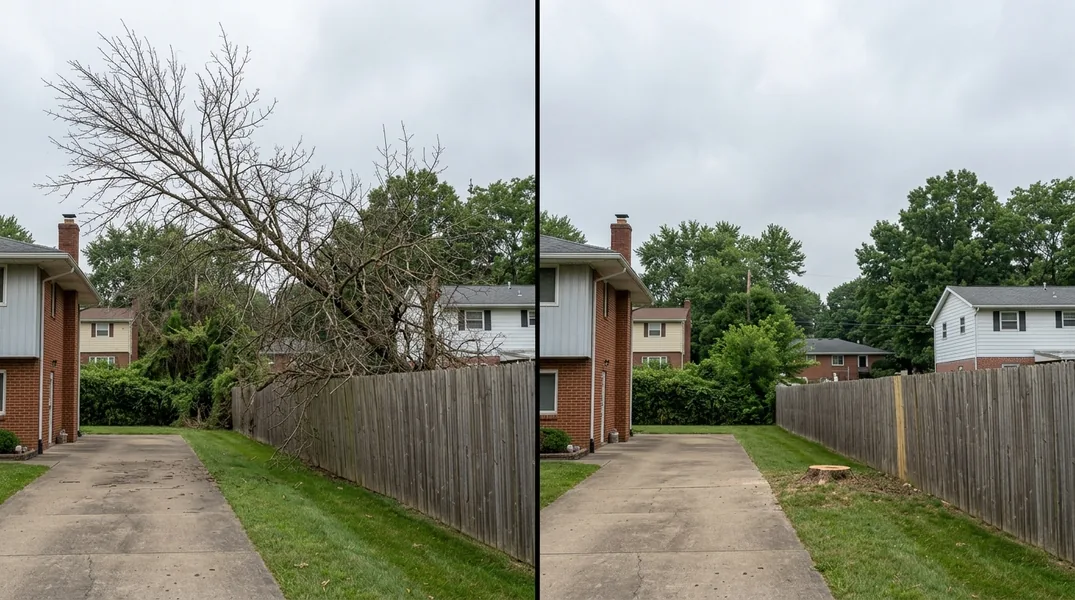
Understanding Akron Tree Lawn Rules and Regulations
If you own property in Akron, you may not realize that trees growing in your front yard fall under specific municipal guidelines. The city of Akron maintains strict tree lawn rules designed to protect the urban forest, ensure public safety, and preserve the aesthetic character of neighborhoods. A tree lawn, in municipal terms, refers to the strip of land between the sidewalk and the street, which is often owned by the property owner but maintained as public space.
These regulations exist for good reason. Trees provide shade, improve air quality, reduce stormwater runoff, and increase property values. However, without clear guidelines, property owners might remove healthy trees unnecessarily or plant inappropriate species that interfere with utilities or sidewalks. Akron's tree lawn rules specify which species are permitted, how trees must be maintained, and what happens when removal becomes necessary. Understanding these rules before you take action can save you time, money, and potential legal complications.
Do You Need a Tree Removal Permit in Akron?
One of the most common questions homeowners ask is whether they need a tree removal permit in Akron. The answer depends on several factors, including the tree's location, size, species, and health status. Generally speaking, if a tree is located in the tree lawn (the public right-of-way between your property and the street), you will almost certainly need a tree removal permit before cutting it down. Even if the tree is technically on your private property but overhangs the public sidewalk or street, permit requirements may still apply.
The city of Akron requires property owners to obtain a street tree permit before removing, trimming, or significantly altering any tree in the public right-of-way. This permit process ensures that the city can assess whether the tree is truly hazardous, diseased, or beyond saving. In some cases, the city may deny your permit request and require you to pursue Tree Trimming & Pruning instead of removal. For trees on your private property that do not encroach on public space, permit requirements are typically less stringent, but it's always wise to verify local ordinances before proceeding. Failing to obtain the necessary permits can result in fines, citations, and orders to restore the tree or pay for replacement.
Summit County Tree Removal Requirements and Compliance
Beyond the city of Akron's specific ordinances, Summit County regulations also govern tree removal in the broader region. Summit County tree removal standards are designed to work in concert with municipal rules, creating a layered approach to forest preservation and public safety. If your property is located in an unincorporated area of Summit County or in a neighboring municipality like Cuyahoga Falls, Stow, or Barberton, you may need to comply with different or additional requirements.
Summit County's environmental regulations often focus on protecting native species, maintaining tree canopy coverage, and preventing erosion. Some areas within the county have designated heritage trees or protected species that cannot be removed without special approval. Additionally, if your property is near a wetland, stream, or other sensitive environmental area, tree removal may trigger additional environmental review. The best approach is to contact your local city or township office and ask specifically about Summit County tree removal requirements that apply to your address. Professional tree removal companies like Akron Tree Service are familiar with these varying regulations and can guide you through the permit process.
The Street Tree Permit Process: Steps to Follow
Obtaining a street tree permit in Akron involves several steps, and understanding the process will help you avoid delays and complications. First, you should contact the City of Akron's Parks and Recreation Department or the appropriate municipal office to request a permit application. You'll typically need to provide information about the tree's location, species, size, and the reason for removal. If the tree is diseased or hazardous, you may need to provide documentation from a experienced arborist or tree care professional.
Once you submit your application, a city inspector or arborist will likely schedule a site visit to evaluate the tree in person. During this inspection, they'll assess whether removal is truly justified or if alternatives like Tree Trimming & Pruning might preserve the tree. The inspection process can take anywhere from a few days to several weeks, depending on the city's workload. If your permit is approved, you'll receive written authorization to proceed with removal. If it's denied, you have the option to appeal or request a second opinion. It's important to note that you should not remove the tree before receiving written approval. Removing a street tree without a permit can result in fines ranging from hundreds to thousands of dollars, plus requirements to replace the tree or pay for replacement costs.
When You Might Not Need a Permit: Private Property Trees
Not every tree on your property requires a municipal permit. Trees growing entirely on your private property and not encroaching on public right-of-way, sidewalks, or streets generally fall outside the city's regulatory authority. However, this doesn't mean you can remove them without considering other factors. Local ordinances may still restrict removal of certain native species, and some neighborhoods have homeowner association rules that govern tree removal. Additionally, if your property is part of a conservation easement or historical district, extra restrictions may apply.
Even if a permit isn't legally required, it's still a good idea to hire a professional tree removal company to handle the job safely and responsibly. Tree removal is dangerous work that requires specialized equipment, training, and insurance. A qualified arborist can also advise you on whether removal is truly necessary or if the tree can be saved through pruning or treatment. If you do proceed with removal, you may want to consider Stump Grinding to fully clear the area and prevent regrowth or pest problems.
Common Reasons for Permit Denial and How to Appeal
The City of Akron may deny your tree removal permit if the tree is deemed healthy and not a safety hazard. Common reasons for denial include the tree being young and vigorous, the tree providing significant environmental benefits, or the city determining that pruning or treatment would be more appropriate than removal. In some cases, the city may offer an alternative solution, such as requiring you to plant a replacement tree if removal is ultimately approved.
If your permit is denied and you believe the decision is incorrect, most municipalities allow for an appeal process. You can request a formal review or a second opinion from a experienced arborist. Providing additional documentation, such as an independent arborist's report confirming disease or hazard, can strengthen your case. If you're uncertain about your options or the permit process, contacting Akron Tree Service at (330) 400-3209 can help. Our team understands local regulations and can provide professional guidance or connect you with resources to navigate the appeal process. Don't hesitate to reach out for a free estimate and consultation on your specific situation.
Looking for a professional tree service contractor in Akron? Akron Tree Service responds fast for all your tree service needs.
Get a Free QuoteOur services: Tree Removal · Tree Trimming & Pruning · Stump Grinding